




GERD develops due to multiple contributing factors, most commonly abnormal functioning or weakness of the lower esophageal sphincter. Conditions like hiatus hernia, delayed stomach emptying, stress, pregnancy, connective tissue disorders, obesity, and certain medical illnesses can aggravate reflux. Faulty diet, eating habits, and lifestyle factors such as smoking, alcohol use, lack of sleep, and inactivity also play an important role. Additionally, several medications may trigger or worsen reflux, eventually leading to GERD in susceptible individuals.

Dr. Rajesh Shah's Insights on GERD
Dr. Rajesh Shah, MD, observes that GERD is often linked to a weak valve between the stomach and the food pipe (oesophagus), along with lifestyle factors such as stress, irregular eating habits, and certain food choices. Rather than focusing only on acidity or heartburn, the approach aims to identify deeper causes and patterns. With long-term care, strengthening digestion, reducing triggers, and supporting overall balance become important for achieving better and sustained relief.

180+
Countries

875+
GERD Patients Treated

30+
Team of Expert Doctors

40+
Years of Experience

100% Satisfaction
If you are not satisfied after 6 weeks of treatment, you can return any unused medicines and request a refund for the unused portion of services, in accordance with our policy. No cure is assured within six weeks. For full terms, you can visit our Detailed Refund Policy page.
What is GERD?
Currently, GERD (Gastro-Esophageal Reflux Disorder) is one of the commonly observed conditions in youths due to various factors, such as faulty diet and lifestyle, excessive smoking or alcohol consumption, stress, etc. Gastroesophageal refers to a condition involving the stomach and esophagus. Reflux means backflow.
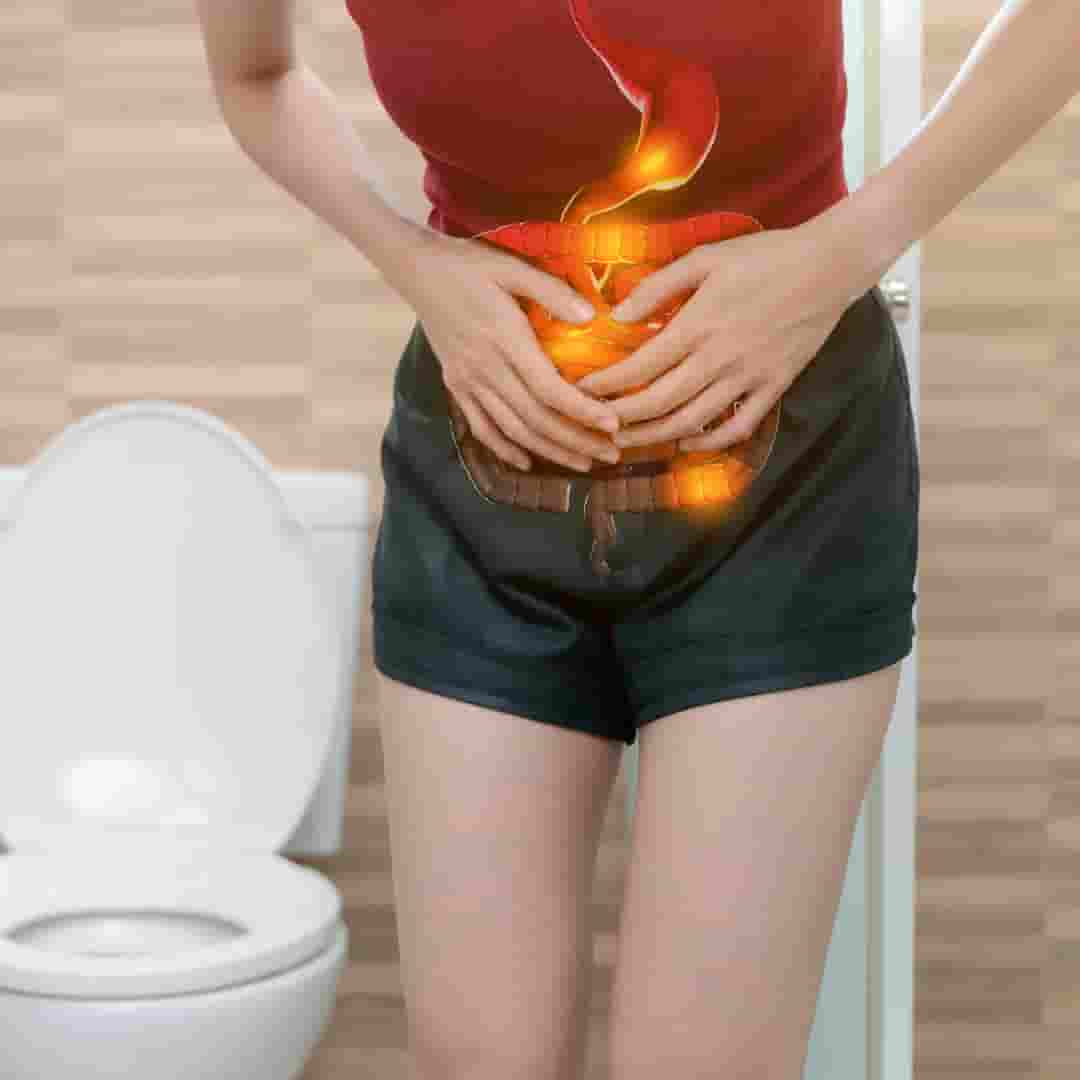
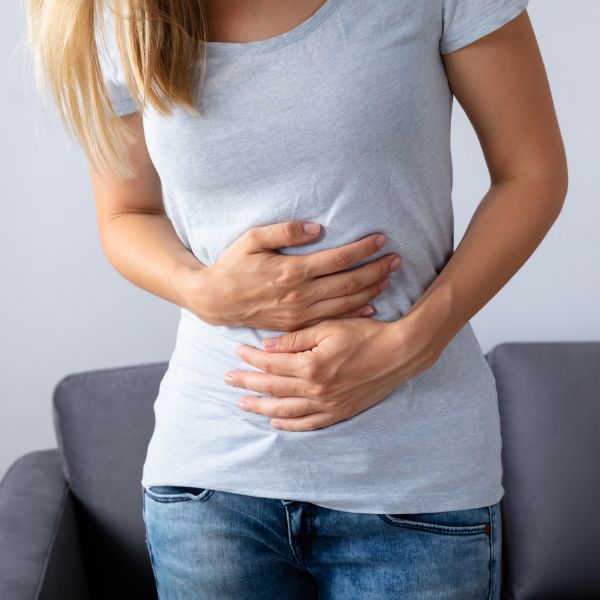
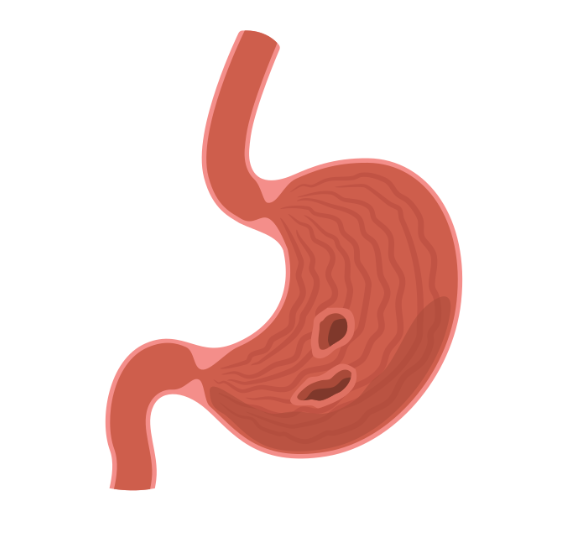
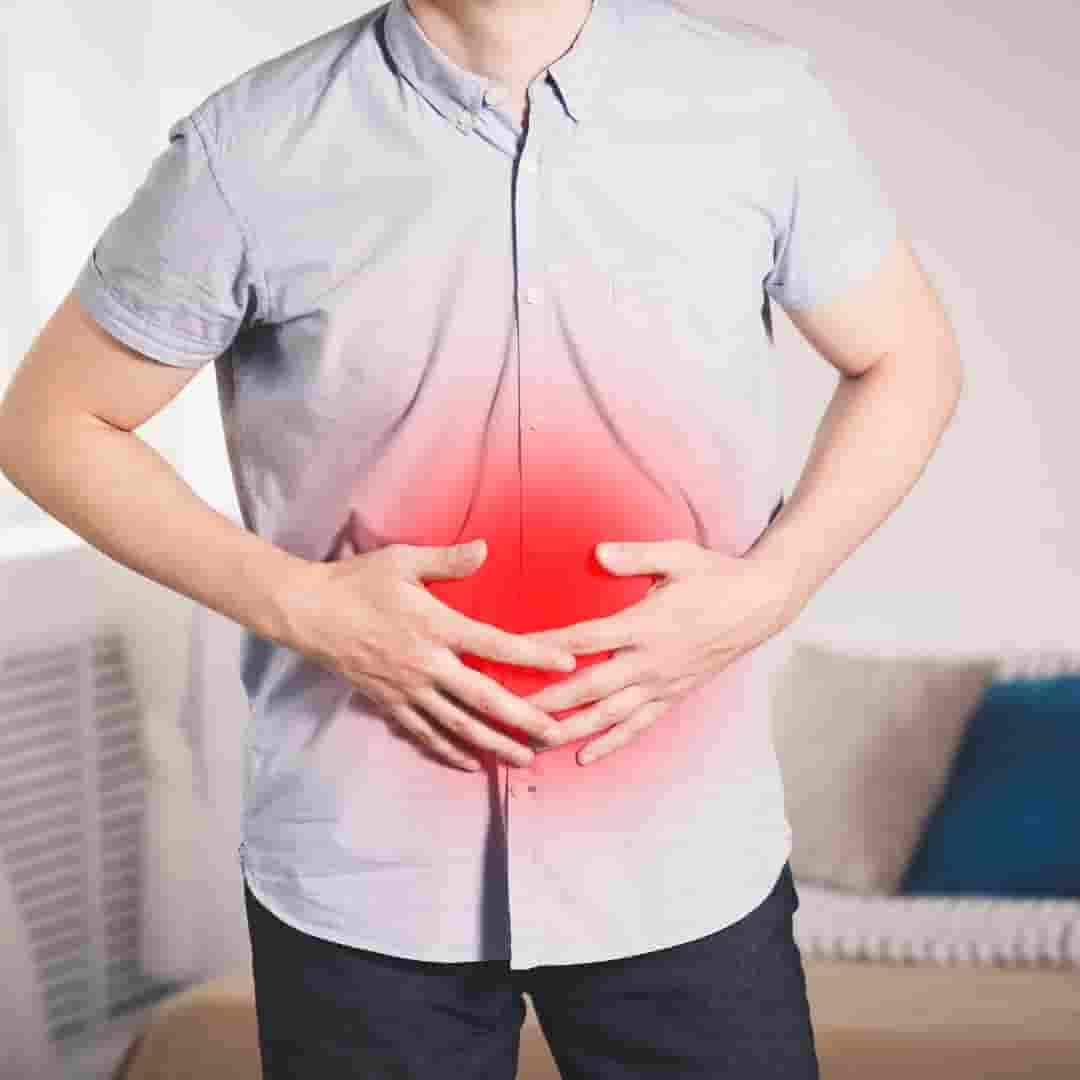
GERD (Gastroesophageal reflux disease) is a prevalent chronic condition of the digestive system seen in young and older people, in which acid and food contents reflux (backward flow) from the stomach into the esophagus (food pipe). It is termed gastro-oesophageal because the condition involves the esophagus and stomach.
Understanding GERD

Types of GERD
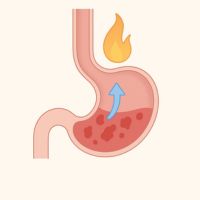
Erosive GERD
Acid reflux symptoms without visible damage to the food pipe lining.
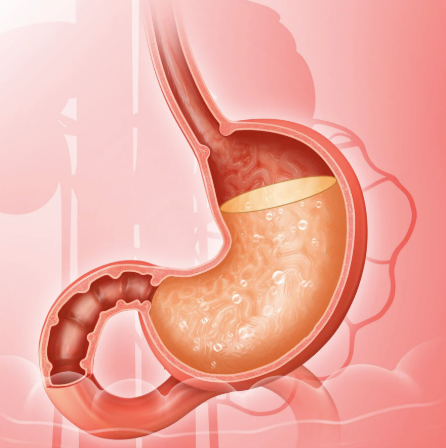
Non-Erosive GERD (NERD)
Frequent acid reflux causing inflammation or injury to the esophagus.
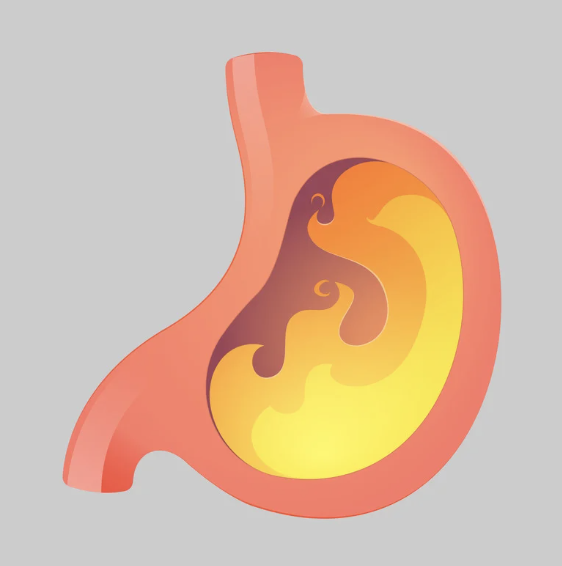
Barrett’s GERD
Long-term GERD leading to abnormal changes in the esophageal lining.
Hypersensitive GERD
Reflux-like symptoms despite normal acid levels and test results.
Our Expertise
-
Extensive Clinical Experience and Established Protocol
Dr. Rajesh Shah has over 40 years of experience in treating GERD and other conditions with homeopathy. Having treated patients from more than 180 countries, he has developed a systematic and structured treatment protocol based on long-term clinical observations at Life Force, with a focus on addressing the underlying causes of GERD.
-
Observed Scope and Limitations of Homeopathic Treatment
Based on our clinical experience at Life Force, many mild and moderate cases of GERD—especially those of recent onset—show encouraging responses to homeopathic care. Some selected severe cases have also responded well. However, long-standing cases that are dependent on antacids or associated with structural abnormalities of the digestive system may require longer treatment durations or may have a limited response.
-
Holistic Approach and Diverse Patient Profiles
Life Force has also documented successful management of GERD in children and infants using homeopathic medicines. For optimal outcomes, treatment is complemented with appropriate lifestyle changes, dietary guidance, and regular exercise, all of which play an essential role in long-term digestive health.
-
New Drug Research
Some of the new drugs developed by Dr. Rajesh Shah have benefited patients. You can read the related research paper on PubMed by clicking here.
Homeopathy for GERD
Homeopathy takes a gentle and personalized approach to managing GERD (acid reflux). The treatment focuses not only on heartburn or acidity, but also on related issues such as bloating, sour belching, nausea, and discomfort after meals. Remedies are selected after understanding eating habits, stress levels, sleep patterns, and overall health. With regular follow-up, homeopathy may help reduce the recurrence of symptoms and support better digestive balance naturally.
Case Studies

GERD
Complete Relief From GERD Found With Homeopathic Treatment At Life Force
A 19-year-old male patient, Mr. S.B.K. (PIN: 33382) visited Life Force center on 1st September 2017 with the complaints of…
GERD
Complete cure achieved in GERD with Dr. Shah’s treatment.
Forty years old Mr. S. M. (Patient Identification Number -21786) visited our clinic on 15th October 2013.He was referred by…
GERD
75 yrs old lady was diagnosed having chronic gastritis and duodenitis with superficial ulcerations in the stomach. She had no history of nausea, vomiting, bleeding from the gastrointestinal tract.
A 75 yrs old lady Mrs. B. P. (Patient reference No. L 7924) came with the complaint of burning pain…
GERD
A College Student Got Relieved Of GERD In A Few Months With Life Force’s Homeopathy
A 23-years-old male, Mr. D N K (PIN 31322) visited Borivali branch of Life Force on 17th February 2017 for…
GERD
A 36-Years-Old Man Got Relief From GERD & Anxiety Quickly With Homeopathy
A 36-years-old married male patient, Mr. P.S.D. (PIN 22336) consulted at Life Force centre on 19th January 2015 with…
GERD
A 6-Months-Old Baby Recovered From GERD Quickly With Life Force Homeopathy
A 6-months-old male child, Mast C.K. (PIN 29773) along with his parents visited Kemp’s Corner branch of Life Force on…
Real Case Outcomes
-
Alopecia Areata
-
Ankylosing Spondylitis
-
Anxiety Disorder
-
Asthma
-
Cancer
-
Child Asthma
-
Diabetes
-
Eczema
-
Frequent Colds
-
Hair Fall
-
Hepatitis C
-
Irritable Bowel Syndrome (IBS)
-
Lichen Planus
-
Migraine
-
Psoriasis
-
Trigeminal Neuralgia
-
Ulcerative Colitis
-
Underactive Thyroid
-
Urticaria
-
Vitiligo
Your Curability Test Guide
Learn about the curability test and begin by selecting your condition from the left

STEP 01
Select your condition

STEP 02
Submit the Form

STEP 03
Get report Instantly
Patients Testimonials
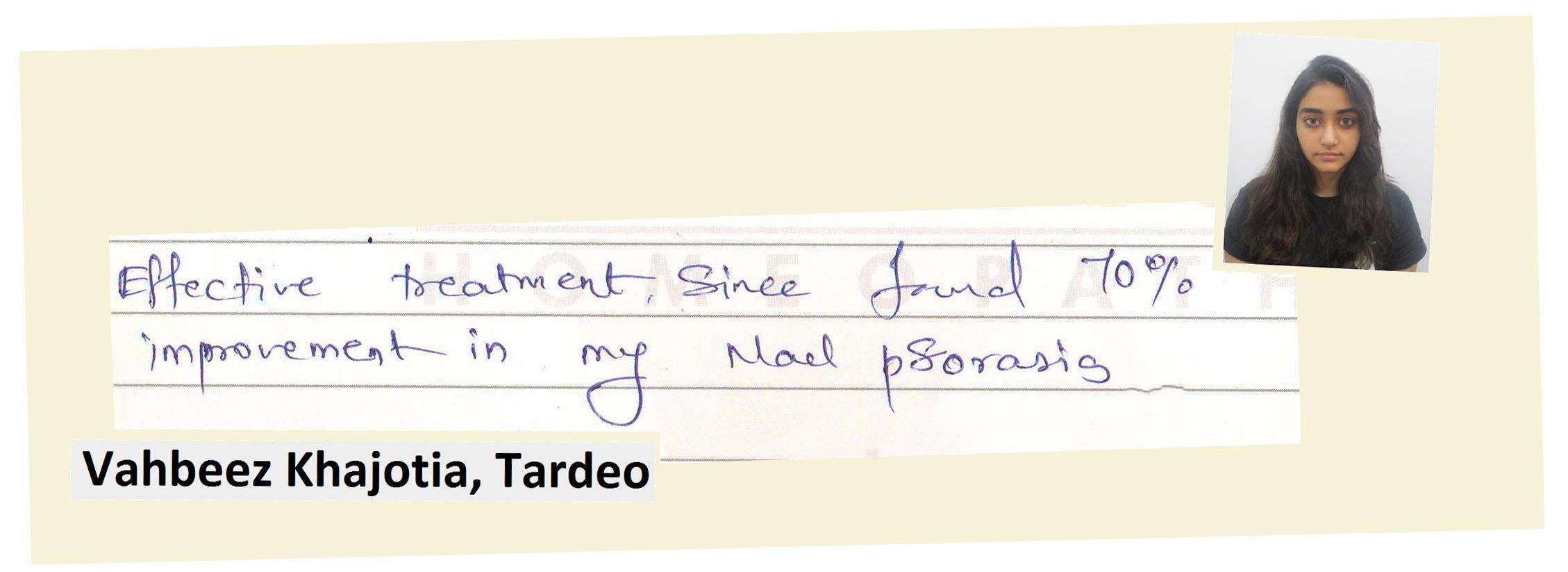
Effective treatment since found 70% improvement in my nail Psoriasis.
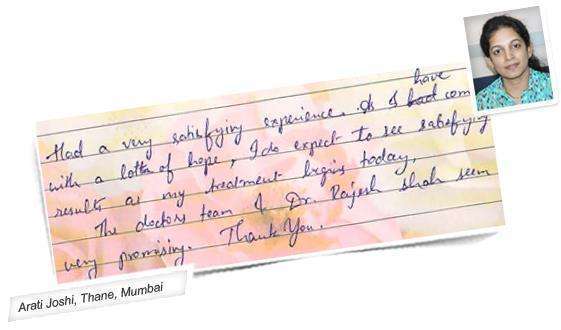
"Had a very satisfying experience, as I have come with a lot of hope, I do expect to see satisfying results as my treatment begins today. The doctor's team and Dr. Rajesh Shah seem very promising. Thank you"

Today it was my 1st follow-up. A great stuff with slight improvement. Looking forward for permanent relief over all good experience.
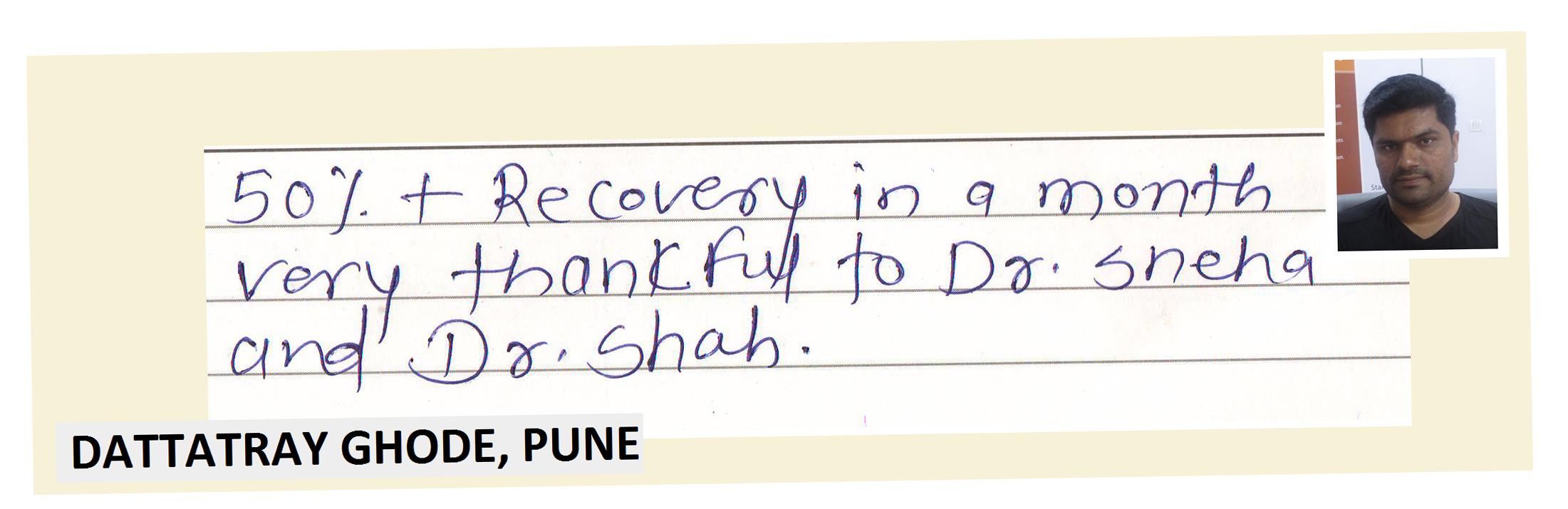
50% + Recovery in a month very thankful to Dr. Sneha and Dr. Shah

I am taking medicine since June 2017 on lichen planus. there was much eruption in June. Now after five to six months medication there is improvement. The eruption is not frequent 60% improvement is there so far. Thank You.
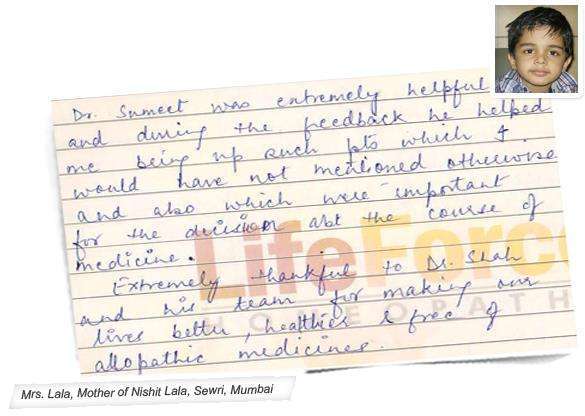
"Dr. Sumeet was extremely helpful and during the feedback he helped me bring up such patients which I would have not mentioned otherwise and also which were important for the decision about the course of medicine. Extremely thankful to Dr. Shah and his team for making our lives better, healthier and free of allopathic medicines."

It's a very nice experience. Dr. Shah & his team is working great. We surely recommend for others.
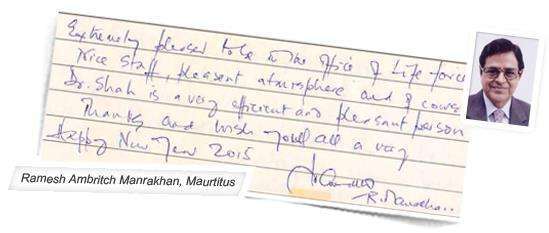
"Extremely pleased to the office and Life Force. Nice staff, pleasant atmosphere and of course Dr. Shah is very efficient and pleasant person. Thanks and wish you all a Very Happy New year 2015."
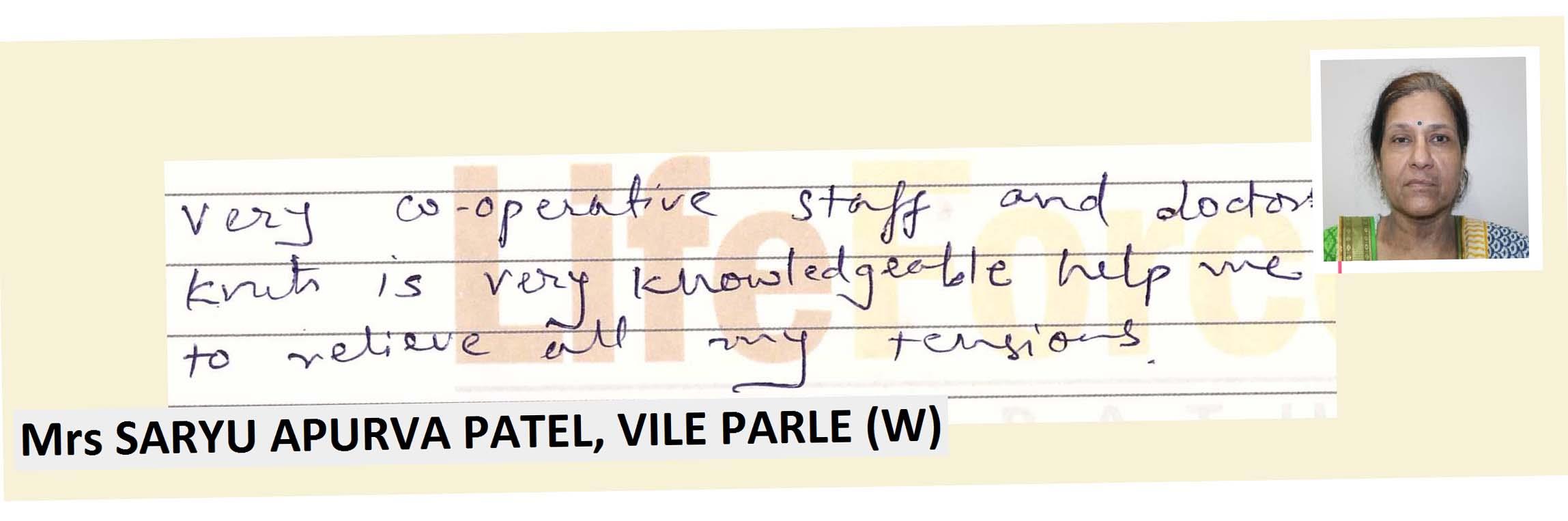
Very co-operative staff and doctor Krutika is very knowledgeable help me to relieve all my tensions.

Very good experience. the medicines are good and effective.
Our Success Stories
Related Diseases
Ask Dr. Shah
Dr. Rajesh Shah, MD (Homeopathy), is a renowned Mumbai-based homeopath, recognized for treating patients from 180 countries, including celebrities and underprivileged individuals.
Contact Us